
Una mirada honesta a si la ashwagandha realmente ayuda con la ansiedad, que dice la investigacion, dosis seguras, efectos secundarios y cuando vale la pena probarla.
Entra a cualquier pasillo de vitaminas en Miami ahora mismo y vas a encontrar ashwagandha en la altura de los ojos. En TikTok es el suplemento al que la gente le da credito por mananas mas tranquilas y mejor sueno. En nuestra practica de psiquiatria en Viva Medical Center, nos preguntan sobre ella casi cada semana: Realmente funciona? Es segura? Deberia probarla antes de empezar con receta?
Este articulo da la respuesta clinica honesta. La ashwagandha es uno de los suplementos herbales mejor estudiados para la ansiedad, y la investigacion es mas interesante que la mayoria del bombo de suplementos, pero tampoco es una cura, no reemplaza el tratamiento apropiado para ansiedad seria, y no esta libre de riesgos. Aqui esta lo que dice la evidencia.
Que Es la Ashwagandha
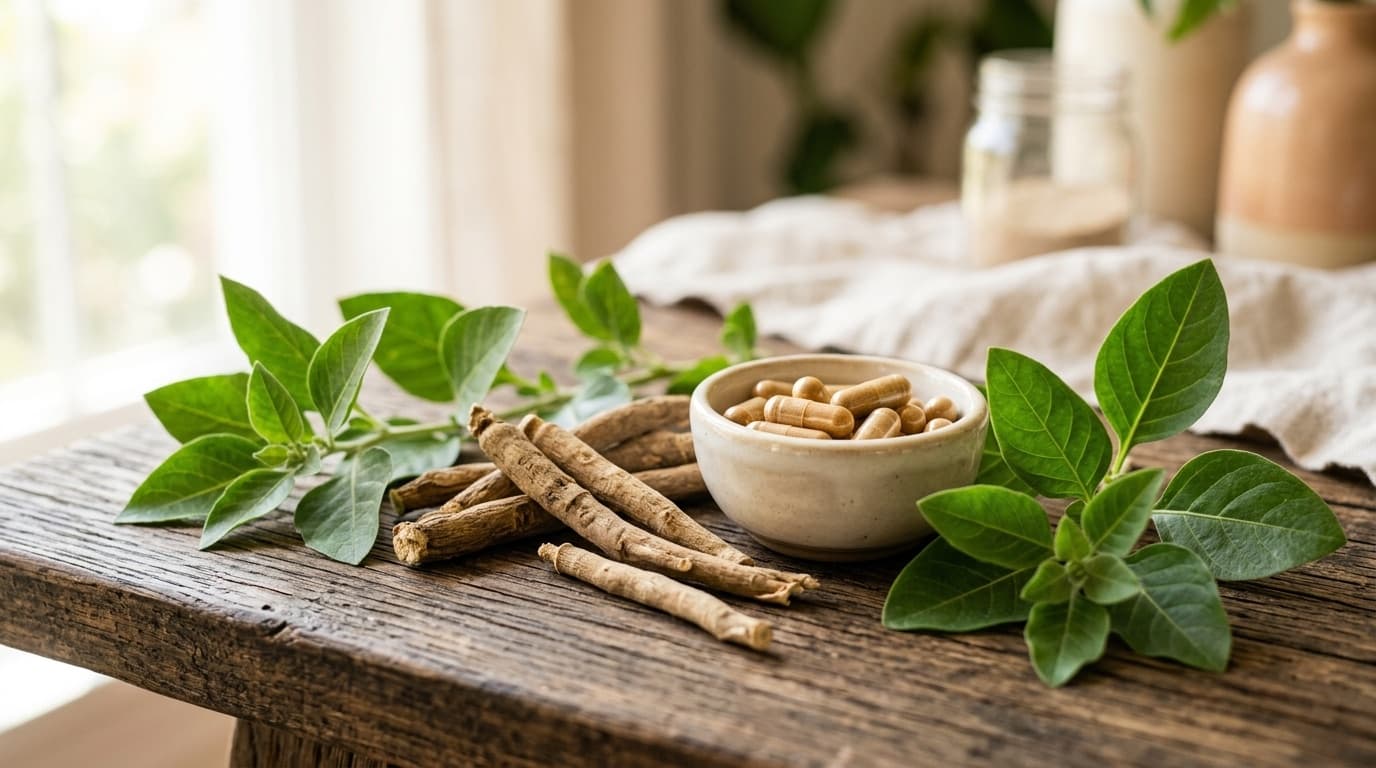
La ashwagandha (Withania somnifera) es un pequeno arbusto originario de la India, el Medio Oriente y partes de Africa. Su raiz se ha usado en la medicina ayurvedica durante miles de anos como un "rasayana," una categoria de tonicos que se pensaba promovia la longevidad y la resiliencia. El nombre literalmente significa "olor del caballo," en referencia al aroma de la raiz y la creencia tradicional de que da la fuerza de un caballo.
En terminos modernos, la ashwagandha se clasifica como un adaptogeno, una categoria de hierbas que se cree ayudan al cuerpo a responder al estres. Los compuestos activos, llamados witanolidos, parecen interactuar con el sistema de respuesta al estres del cuerpo, especificamente el eje HPA (hipotalamo-pituitaria-adrenal), y posiblemente con los receptores GABA en el cerebro, los mismos receptores que afectan los medicamentos contra la ansiedad como las benzodiacepinas, aunque de forma mucho mas suave.
Lo Que Dice la Investigacion
Aqui es donde la ashwagandha se destaca de la mayoria de los suplementos. A diferencia de muchos remedios herbales, ha sido probada en varios estudios clinicos controlados, especificamente para resultados de estres y ansiedad.
Varios estudios en adultos con estres cronico o ansiedad generalizada han mostrado reducciones en el estres percibido, en las escalas de ansiedad y en los niveles de cortisol despues de tomar un extracto estandarizado durante seis a ocho semanas. Los efectos suelen reportarse como modestos a moderados, no dramaticos. Las personas no describen tomarla y sentirse "curadas" de repente. Lo que describen es sentirse un poco menos tensos, dormir un poco mejor y manejar el estres diario con mas facilidad.
La ashwagandha tambien ha sido estudiada para la calidad del sueno y se ha visto que ayuda a algunas personas a conciliar el sueno mas rapido y sentirse mas descansadas, particularmente aquellas cuyos problemas de sueno son causados por estres o por dar vueltas en la cabeza a los problemas.
Advertencias importantes: los estudios en su mayoria son pequenos, algunos son financiados por fabricantes de suplementos, y el tipo de ashwagandha, la dosis y la duracion varian. Eso hace dificil dar una respuesta definitiva, pero la direccion general de la evidencia es mas positiva que negativa.
Quien Puede Beneficiarse
En nuestra experiencia clinica, la ashwagandha suele ser mas util para un tipo especifico de paciente. No todos con ansiedad entran en este grupo, y hacer coincidir la herramienta con la situacion importa.
Personas que podrian beneficiarse:
- Adultos con estres cronico leve a moderado, no trastorno de panico o ansiedad generalizada severa
- Personas que se sienten "tensas" pero siguen funcionando
- Quienes tienen problemas de sueno cuando estan estresados pero no insomnio severo
- Pacientes que quieren probar algo gentil antes de considerar medicamento recetado
- Personas que ya usan terapia y trabajo de estilo de vida y quieren una capa extra modesta de apoyo
Personas que probablemente deberian saltarsela o usarla solo bajo supervision:
- Cualquiera con ansiedad severa, trastorno de panico o PTSD que necesita tratamiento real
- Personas con condiciones autoinmunes como Hashimoto, lupus, artritis reumatoide o esclerosis multiple
- Personas con medicamentos para la tiroides
- Personas con sedantes, benzodiacepinas o medicamentos para dormir
- Mujeres embarazadas o amamantando
- Personas con enfermedad hepatica
- Cualquiera con cirugia programada dentro de dos semanas
Dosis y Calidad del Producto
La mayoria de los estudios positivos usaron un extracto estandarizado, en dosis entre 300 y 600 mg una o dos veces al dia. KSM-66 y Sensoril son dos de los extractos patentados mas estudiados. Eso no significa que otras marcas sean malas, pero si significa que tienen menos evidencia detras.
La calidad de los suplementos en Estados Unidos no esta regulada como los medicamentos recetados. Un producto etiquetado como "ashwagandha" podria no contener lo que dice, podria contener contaminantes o podria tener potencia muy diferente de un frasco a otro. Si vas a probarla, elige un producto que haya sido probado por un tercero (USP, NSF o ConsumerLab son ejemplos de certificaciones).
Empieza con una dosis mas baja, tomala por unas semanas y presta atencion a como te sientes. Los efectos se construyen con el tiempo. Si no notas nada despues de unas seis semanas, probablemente no te va a ayudar.
Efectos Secundarios
La ashwagandha es generalmente bien tolerada, pero no esta libre de efectos secundarios. Los mas reportados son malestar gastrointestinal (nausea, heces sueltas), somnolencia y ocasionalmente dolores de cabeza. Algunas personas se sienten ligeramente "planas" emocionalmente, especialmente en dosis altas, lo cual es una buena senal para parar.
Existen preocupaciones mas serias. Ha habido reportes de casos de dano hepatico con ashwagandha, usualmente en personas tomando dosis altas o combinandola con otras hierbas. Puede bajar el azucar en sangre, lo que importa para personas con diabetes en medicamento. Puede aumentar la produccion de hormona tiroidea, lo que es util para algunas personas con tiroides lenta pero riesgoso para personas ya en medicamento de tiroides o con hipertiroidismo.
La Ashwagandha No Reemplaza el Tratamiento de Ansiedad Real
Esta es la parte que se pierde en la emocion de las redes sociales. La ansiedad severa, el trastorno de panico, el trastorno obsesivo-compulsivo, el PTSD y el trastorno de ansiedad generalizada son condiciones medicas reales que responden a tratamiento real. Ese tratamiento usualmente incluye terapia cognitivo-conductual (CBT), a veces medicamento (SSRIs, SNRIs, ansioliticos no benzodiacepinicos y otros) y trabajo de estilo de vida. Estos tratamientos tienen decadas de evidencia y son genuinamente efectivos.
Tomar ashwagandha en lugar de ver a un psiquiatra por ansiedad severa es como ponerle una curita a un brazo roto. La forma correcta de pensar en la ashwagandha es como un posible jugador de apoyo, no el acto principal. Para alguien con estres leve y problemas de sueno, podria ayudar. Para alguien con un trastorno de ansiedad diagnosticable, no es suficiente, y retrasar el tratamiento real para probar suplementos puede empeorar las cosas.
Lo Que Les Decimos a Nuestros Pacientes en Miami
Nuestro consejo practico en Viva Medical Center suele ser asi: Si tu ansiedad es leve, estas funcionando bien pero te sientes tenso, y ya estas trabajando en lo basico (sueno, ejercicio, reducir cafeina, manejar las pantallas, construir alguna forma de practica de manejo de estres), la ashwagandha es una cosa razonable para probar por seis a ocho semanas. Compra un producto probado por un tercero, toma una dosis moderada y ve como te sientes. Si ayuda, genial. Si no, sigue adelante.
Si tu ansiedad esta interfiriendo con el trabajo, las relaciones o el sueno, o si estas teniendo ataques de panico, evitacion, pensamientos intrusivos o preocupacion persistente que no se apaga, salta las compras de suplementos y ven para una evaluacion real.
Evaluacion Real en Doral
En Viva Medical Center en Doral, nuestro equipo de psiquiatria trata todo el rango de condiciones de ansiedad, desde el manejo del estres del dia a dia hasta la ansiedad generalizada severa y el trastorno de panico. Tomamos un enfoque practico que combina medicamento cuando es apropiado, terapia, trabajo de estilo de vida y conversacion honesta sobre lo que los suplementos pueden y no pueden hacer.
Si has estado auto-tratando tu ansiedad con suplementos por un tiempo sin resultados reales, ven y hablemos. Llama al (305) 209-0001 o conoce mas sobre nuestros servicios de tratamiento para ansiedad.
Este articulo es educativo y no reemplaza el consejo medico. Habla con un profesional licenciado antes de empezar cualquier suplemento, especialmente si tomas medicamentos recetados o tienes una condicion cronica.
¿Interesado en aprender más? Descubra nuestro servicio de Psiquiatría en Viva Centers, Doral y Miami, FL.