
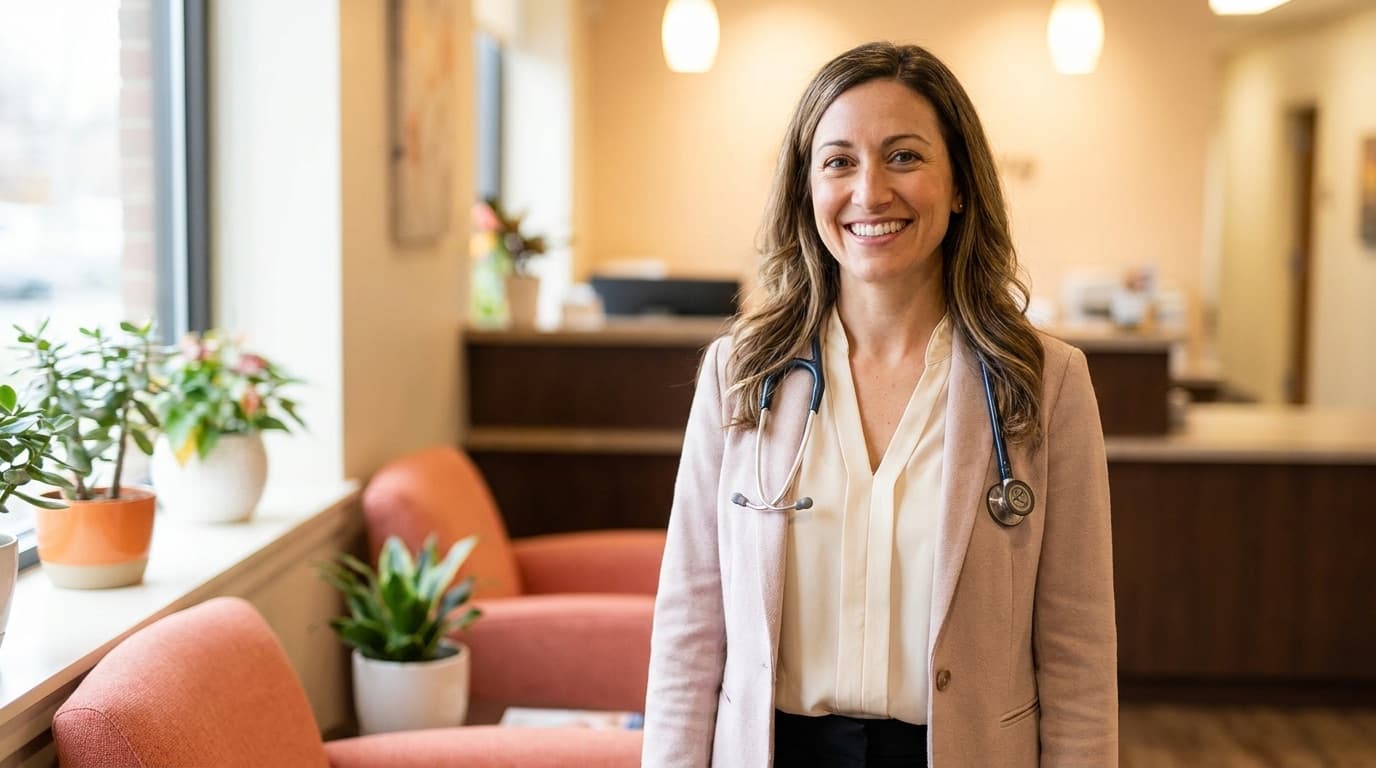
Casi 1 de cada 5 estadounidenses no tiene un médico de atención primaria, y eso les está costando su salud. Descubre qué hace un PCP, por qué la continuidad del cuidado importa y cómo encontrar el médico adecuado en Miami-Dade.
¿Qué Hace Realmente un Médico de Atención Primaria?
Piensa en la última vez que no te sentiste bien: fatiga persistente, tos que no cede, una lectura de presión arterial que te preocupó. ¿A dónde recurriste? Para millones de pacientes, la respuesta es una clínica de urgencias, un especialista encontrado en internet o, lo más preocupante, ninguna atención. Según un informe de 2024 del Milbank Memorial Fund, más de 100 millones de estadounidenses no tienen acceso constante a un médico de atención primaria, una cifra que casi se ha duplicado desde 2014. Esa brecha tiene consecuencias reales.
Un médico de atención primaria (PCP, por sus siglas en inglés) es un médico certificado, generalmente especializado en medicina familiar, medicina interna o práctica general, que actúa como tu primer punto de contacto con el sistema de salud. Es el médico que conoce tu historia clínica completa: tus alergias, tu historial familiar, tus condiciones crónicas, tus medicamentos y tu estilo de vida. Esa profundidad de conocimiento es lo que lo hace único e irremplazable.
El alcance de un médico de atención primaria es amplio por diseño:
- Cuidado preventivo — exámenes de bienestar anuales, vacunas, estudios de detección de cáncer y análisis de laboratorio para identificar problemas antes de que se vuelvan graves
- Cuidado agudo — tratamiento de enfermedades e infecciones como influenza, faringitis estreptocócica, infecciones urinarias, lesiones menores y afecciones respiratorias
- Manejo de enfermedades crónicas — atención continua para diabetes, hipertensión, colesterol alto, trastornos de tiroides y más
- Evaluación de salud mental — identificación de ansiedad, depresión y condiciones relacionadas con el estrés, con coordinación de la atención adecuada
- Coordinación de referencias — conectarte con el especialista adecuado cuando lo necesitas, con contexto completo sobre tu historial de salud
En resumen, tu médico de atención primaria no es solo alguien a quien acudes cuando estás enfermo. Es tu socio de salud a largo plazo.
Atención Primaria vs. Especialista: ¿Cuándo Necesitas a Cada Uno?
Uno de los conceptos erróneos más comunes en la atención médica es que ir directamente a un especialista es de alguna manera mejor que ver primero a tu médico de atención primaria. En la mayoría de los casos, ocurre lo contrario, y aquí está la razón.
Tu médico de atención primaria está capacitado para evaluar los síntomas de forma integral. Un dolor de cabeza podría ser deshidratación, un patrón de tensión, presión arterial alta o algo neurológico. Un médico de atención primaria puede analizar esas posibilidades de manera eficiente. Un neurólogo, en cambio, está especializado únicamente en el aspecto neurológico y puede no tener el contexto para identificar que tus dolores de cabeza comenzaron cuando cambiaste tus medicamentos para la presión la primavera pasada.
La regla general es sencilla: comienza con tu médico de atención primaria. Evaluará, tratará y referirá cuando sea apropiado. Este enfoque:
- Reduce visitas innecesarias a especialistas (y sus costos asociados)
- Asegura que el especialista reciba un panorama clínico completo
- Previene la duplicación de pruebas y planes de tratamiento contradictorios
- Mantiene tu atención coordinada bajo un médico que te conoce
Hay situaciones en las que tiene sentido ir directamente a un especialista: si tienes una condición crónica ya manejada por ese especialista, si has sido referido anteriormente o en emergencias. Pero para síntomas nuevos o poco claros, tu médico de atención primaria es la primera llamada correcta.
Los Beneficios de Tener un Médico de Atención Primaria Regular
La evidencia a favor de tener un médico de atención primaria consistente es sólida. Una investigación publicada en BMC Primary Care encontró que los pacientes que tenían al menos una visita de atención primaria al año mostraron tasas significativamente más altas de cumplimiento con medidas preventivas de salud basadas en evidencia, en comparación con quienes no tenían un médico regular.
Más allá de las estadísticas, los beneficios son prácticos e inmediatos:
- Continuidad en la atención — Un médico que te ha atendido durante meses y años puede detectar cambios sutiles en tu salud que una visita única a urgencias nunca podría identificar
- Menores costos médicos — La atención preventiva y la intervención temprana son mucho menos costosas que las visitas a urgencias o el tratamiento de enfermedades en etapas avanzadas
- Mejores resultados en enfermedades crónicas — Los pacientes con relaciones consistentes con su PCP tienen mejor control de presión arterial, glucosa en sangre y colesterol
- Manejo de medicamentos — Un médico de atención primaria revisa todos tus medicamentos en conjunto, previniendo interacciones peligrosas que pueden ocurrir cuando múltiples especialistas prescriben de forma independiente
- Tu defensor en el sistema de salud — Cuando necesitas un especialista, hospitalización o una segunda opinión, tu médico de atención primaria puede orientarte y abogar por ti de maneras que un motor de búsqueda no puede
La relación que construyes con tu médico de atención primaria a lo largo del tiempo es uno de los activos más valiosos que tienes para tu salud a largo plazo. No es transaccional — es una alianza.
Qué Buscar en un Médico de Atención Primaria Cerca de Ti
Encontrar el médico de atención primaria adecuado en Miami-Dade va más allá de la proximidad. Estos son los factores que realmente importan:
- Certificación de junta — Confirma que tu médico esté certificado por una junta en medicina familiar, medicina interna o una especialidad relacionada con la atención primaria
- Atención bilingüe — En las diversas comunidades del sur de Florida, el idioma nunca debería ser una barrera para una atención excelente. En Viva Medical Center, atendemos a los pacientes en inglés y español para que cada persona pueda comunicarse con claridad y comodidad con su equipo de atención
- Aceptación de seguro — Verifica que el consultorio acepte tu plan antes de tu primera visita. Pregunta específicamente sobre copagos para visitas preventivas versus visitas por enfermedad, ya que frecuentemente difieren
- Aceptando nuevos pacientes — Con la escasez de atención primaria que afecta a Miami-Dade y al resto de los EE. UU., confirma que el consultorio está activamente aceptando nuevos pacientes en tu área
- Disponibilidad y acceso — Busca un consultorio que ofrezca citas el mismo día o al día siguiente para necesidades agudas, no solo exámenes físicos anuales reservados con meses de anticipación
- Enfoque integral de la persona — Los mejores médicos de atención primaria tratan a la persona, no solo la condición. Preguntan sobre tu estilo de vida, tu estrés, tus metas, no solo sobre tus síntomas
Cuando encuentres un médico que cumpla estos criterios y con quien te sientas genuinamente cómodo, mantén esa relación. La consistencia se acumula con el tiempo en la atención primaria.
Cómo Reservar una Cita de Atención Primaria en Viva Medical Center
En Viva Medical Center en Doral, FL, nuestro equipo de atención primaria certificado está aquí para todo el espectro de tu salud: desde exámenes de bienestar anuales y manejo de enfermedades crónicas hasta visitas de atención aguda el mismo día. Ofrecemos atención bilingüe en inglés y español, y actualmente estamos aceptando nuevos pacientes en todo el condado de Miami-Dade.
Ya sea que estés estableciendo atención por primera vez, buscando un médico que realmente te conozca o manejando una condición que requiere atención continua, estamos aquí. Nuestro enfoque es sencillo: atención integral, compasiva y basada en evidencia, brindada con la calidez y el respeto que cada paciente merece.
¿Listo para dar el primer paso?
- Llámanos: +1 305 209 0001
- Reserva en línea: Agenda tu cita
- Más información: Nuestros servicios de atención primaria
Tu salud merece un médico que conozca tu nombre y tu historia. Esperamos ser ese médico para ti y tu familia.
¿Interesado en aprender más? Descubra nuestro servicio de Atención Primaria en Viva Centers, Doral y Miami, FL.